How to Store Olive Oil Properly in a British Kitchen: A Checklist
Olive oil is not a wine that improves with age, and it is not a tin of beans that will sit quietly at the back of a cupboard for three years either. At heart, it is a fresh fruit juice. The olives were pressed, the oil was bottled, and from that moment the clock is running. What separates oil that still tastes green and peppery six months later from oil that tastes like a wax crayon comes down to four things: light, heat, air and time. British kitchens offer plenty of ways to get all four wrong — the bottle beside the hob, the clear glass on the windowsill, the cupboard above the oven. None of it is hard to fix.
What actually spoils olive oil
Extra virgin olive oil is the most fragile member of the family. Light, heat and oxygen all speed up oxidation, and time finishes the job. The compounds responsible for that grassy smell and the peppery tickle at the back of your throat are the first things to fade.
You will spot tired oil by its smell and taste rather than its colour. Rancid oil smells of crayons, old nuts or putty. It tastes flat and greasy, with none of the pleasant bitterness and pepper of a fresh extra virgin. Refined “light” or “mild” olive oil is more robust, simply because it has less delicate character to lose, but the same storage rules keep it tasting better for longer. If a bottle smells plainly unpleasant, don’t cook with it.
Light: the quickest way to flatten a bottle
Light breaks down the chlorophyll and aromatics in oil, and it does so faster than most people expect. A clear glass bottle displayed on an open shelf in a bright kitchen is the worst combination going: it looks lovely and it quietly ruins what’s inside.
Dark green or brown glass, a sealed tin, or an opaque ceramic bottle all do a better job. If you have bought oil in clear glass — and most supermarket bottles are — either keep it in a closed cupboard or decant it into something darker. A fortnight under shop lighting is neither here nor there. Six months on a sunny shelf is another matter.
Heat: the spots that quietly ruin oil
Warmth accelerates every reaction you are trying to slow down. The classic mistakes are all in the same family: the bottle parked on the worktop next to the hob, the shelf directly above the oven, the top of the fridge or microwave, a spot beside the radiator, and the windowsill that catches the afternoon sun. Airing cupboards and glass-fronted cabinets in full sun are just as bad.
What you want instead is a cool, steady cupboard — a pantry if you have one, or a low, dark cupboard away from appliances. “Cool” here means noticeably cooler than a hob-side worktop, and steady matters as much as cool. Big swings in temperature are harder on oil than a consistently mild spot. If you like having oil within arm’s reach while you cook, keep a small pourer there and refill it from the main bottle every week or so.
Air: seals, headspace and half-empty bottles
Oxygen is the third enemy, and it gets in through two routes: a loose cap and the empty space at the top of the bottle. Wipe the neck and threads before you screw the cap back on — dried, sticky oil stops the seal closing properly. Never leave the bottle open between uses, and don’t stand it beside the hob with the lid off while you cook.
Headspace is the one people overlook. Every time you pour, the gap above the oil grows, and that gap is full of air working on what’s left. When a bottle gets down to a third full, decant the remainder into a smaller bottle so the oil sits near the neck. A wide-mouthed jug or a big decorative decanter is a poor long-term home for the same reason.
Containers: what works, and what does not
- Dark glass with a tight stopper — ideal for the bottle you use daily, and easy to wash and refill.
- Tins — the standard for larger quantities. Keep the lid pressed down and decant into a small bottle if pouring from the tin is awkward.
- Stainless steel and opaque ceramic — good choices, especially for a finishing oil kept on the table.
- Clear or thin plastic — best avoided beyond the short term. Plastic is slightly permeable to oxygen and can pick up flavours from whatever it sits beside.
- Reused bottles — fine if they have been washed thoroughly and smell of nothing at all. A bottle that once held vinegar or chilli oil will flavour everything that follows it, and a drop of water left inside will cloud the oil and shorten its life.
Buy for the way you actually cook
If you get through a bottle slowly, buying in bulk works against you. A litre that takes a year to finish will be tired long before it is empty, so a 500ml bottle bought more often is the better deal. Look for a harvest date rather than a best-before date if the label offers one; it tells you far more about what you are getting. Many households do well with two oils: an everyday one for roasting and frying, and a better one for dressing and drizzling, kept somewhere cool and dark.
Does olive oil belong in the fridge?
It is not necessary, and it is not usually the best option. Cold makes olive oil cloud, thicken and eventually solidify, which alarms people who have not seen it happen before. The change is harmless and reverses completely once the oil comes back to room temperature, so there is nothing to worry about if it does.
There are practical drawbacks, though. Fridges are damp, and moisture in the bottle is not welcome; oil also absorbs surrounding smells, and a solid bottle is awkward to drizzle from. Reach for the fridge if your kitchen genuinely becomes hot in summer, or if you are holding a large tin for several months. Otherwise a cool, dark cupboard is the simpler answer. Keep the cap tight, bring the oil up to room temperature before using it, and don’t be alarmed by clouds.
Your five-minute storage checklist
None of this needs equipment or expense. It needs five minutes and a slightly less decorative approach to where the bottle lives.
- Move the main bottle out of direct light and into a closed, dark cupboard.
- Check it is not sitting near the hob, oven, kettle, radiator or fridge motor.
- Wipe the neck and cap, and make sure the seal closes properly.
- Decant anything down to a third of a bottle into a smaller, dark container.
- Wash and dry any reused bottles completely before filling them.
- Keep a small pourer by the hob if you like, but refill it from the main supply.
- Buy smaller bottles more often, and note the harvest date when you open one.
Do that and a decent bottle will still taste of olives in the spring, which is the whole point of buying it in the first place.
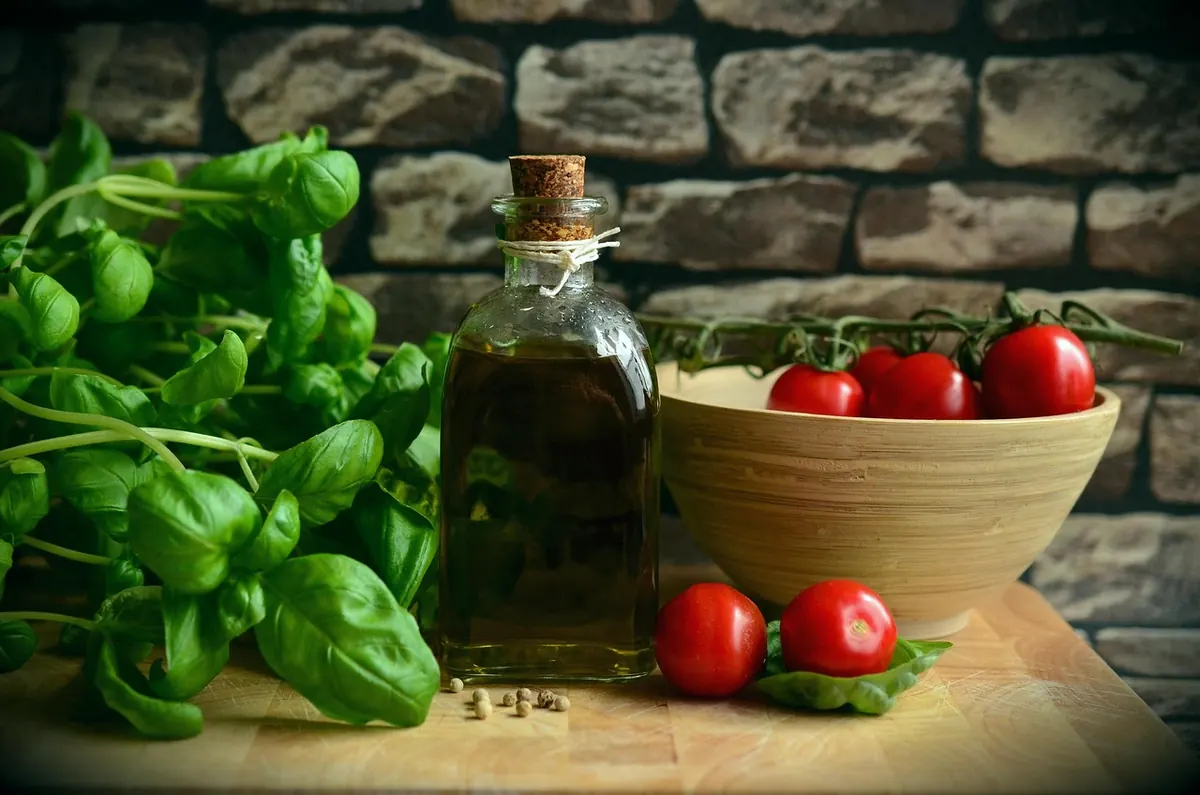
Photo: kerdkanno / Pixabay