How to Prune Olive Trees in the UK: A Seasonal Guide
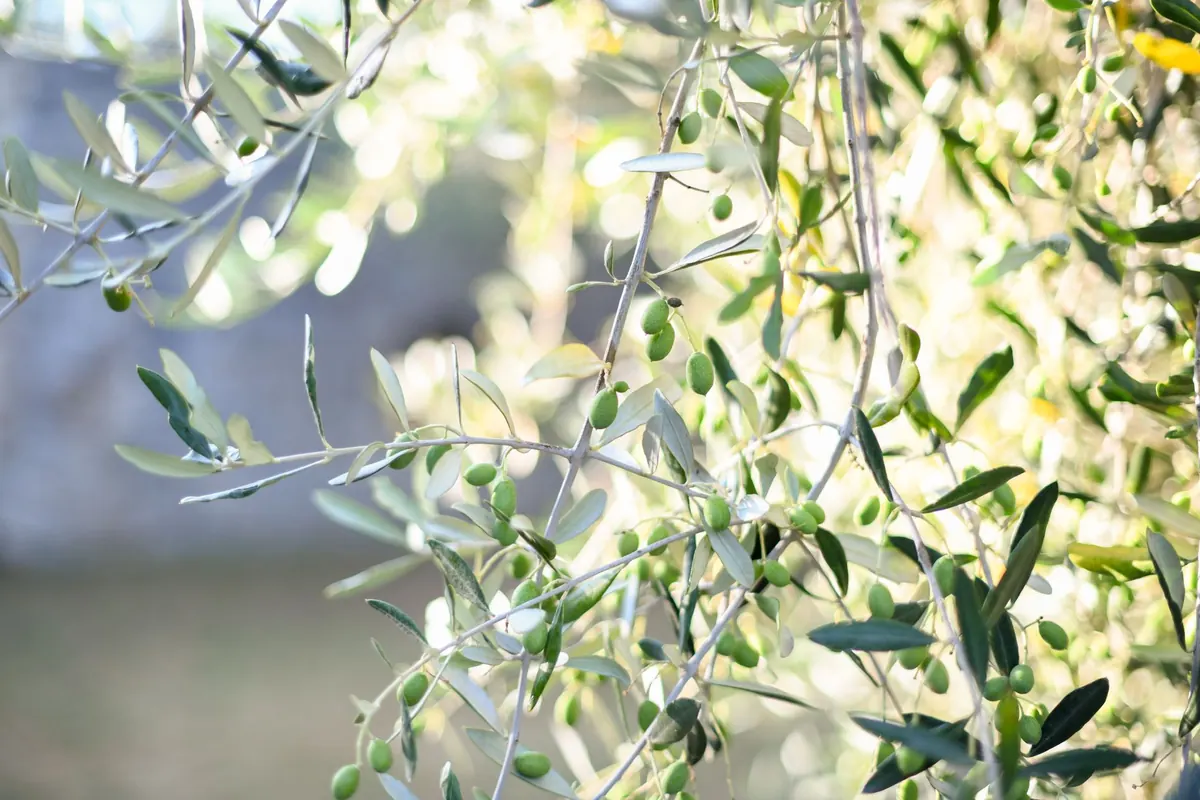
Olives will grow in Britain. They will even crop, in a sheltered garden with a warm wall and a decent summer. What they will not do is forgive a badly timed cut. British growers have a shorter season, weaker light and far more rain than a tree from the Mediterranean is built for, and pruning is the main lever you have to balance all three.
Get the timing right and a cut heals cleanly, light reaches the centre of the tree, and next year's flowers have somewhere to sit. Get it wrong and you invite dieback, fungal problems and a winter that finishes the job.
Why pruning matters more here than in the Mediterranean
An olive's natural response to a warm, dry climate is to grow steadily and slowly, building a dense head of small leaves that shade the trunk and protect it from scorching sun. Plant that same tree in a damp British garden and the density becomes a liability. Still air in the middle of the canopy holds moisture after rain, and moist, shaded foliage is where leaf spot and other fungal troubles take hold.
So pruning in the UK is less about tidiness and more about three practical things: letting light into the middle of the tree, keeping air moving through it, and encouraging a steady supply of young, fruitful growth rather than a thicket of twiggy old wood. A well-pruned olive also dries out faster after rain, which matters enormously between October and March.
When to prune: the British calendar
In Mediterranean groves, pruning is usually a winter job. Do that here and you are cutting into a tree that cannot heal, in the wettest, coldest weeks of the year, and leaving open wounds for spores and frost. Late spring is the safer window.
Aim for late April to late June, with May and early June the sweet spot in most of the country. By then the worst frosts have passed, the tree is actively growing and can seal its cuts, and any regrowth has a full summer to harden before winter. If you garden in the far south-west or a coastal spot, you can start slightly earlier; if you are in the Midlands, the north or anywhere frost pockets linger, wait until you are confident the cold nights are behind you.
A few exceptions are worth knowing:
- Broken, dead or diseased wood: remove it any time. Leaving a torn limb flapping in the wind does more harm than the cut.
- Light summer tipping: in July and early August, you can pinch back long, whippy shoots by a few leaves to keep a potted or wall-trained tree in shape. Stop by mid-August so new growth has time to ripen.
- Autumn and winter: leave the tree alone apart from genuine emergencies. Never do your main structural prune between October and March.
Always start with the dead, damaged and diseased
Before you think about shape, clear the obvious problems. Walk round the tree, look up into it and work through this in order:
- Cut out anything dead — it snaps rather than bends, and the wood beneath the bark is brown or grey rather than green.
- Remove broken or rubbing branches, including any that cross and graze against each other in wind.
- Take out diseased growth, cutting back into clean wood. Wipe your blades with a bit of methylated spirit between trees so you are not carrying trouble around the garden.
- Pull or cut suckers coming from the base and strong vertical shoots sprouting from the trunk or main limbs.
Once that is done, you often find the tree already looks lighter and needs far less shaping than you expected.
Shaping for light and airflow
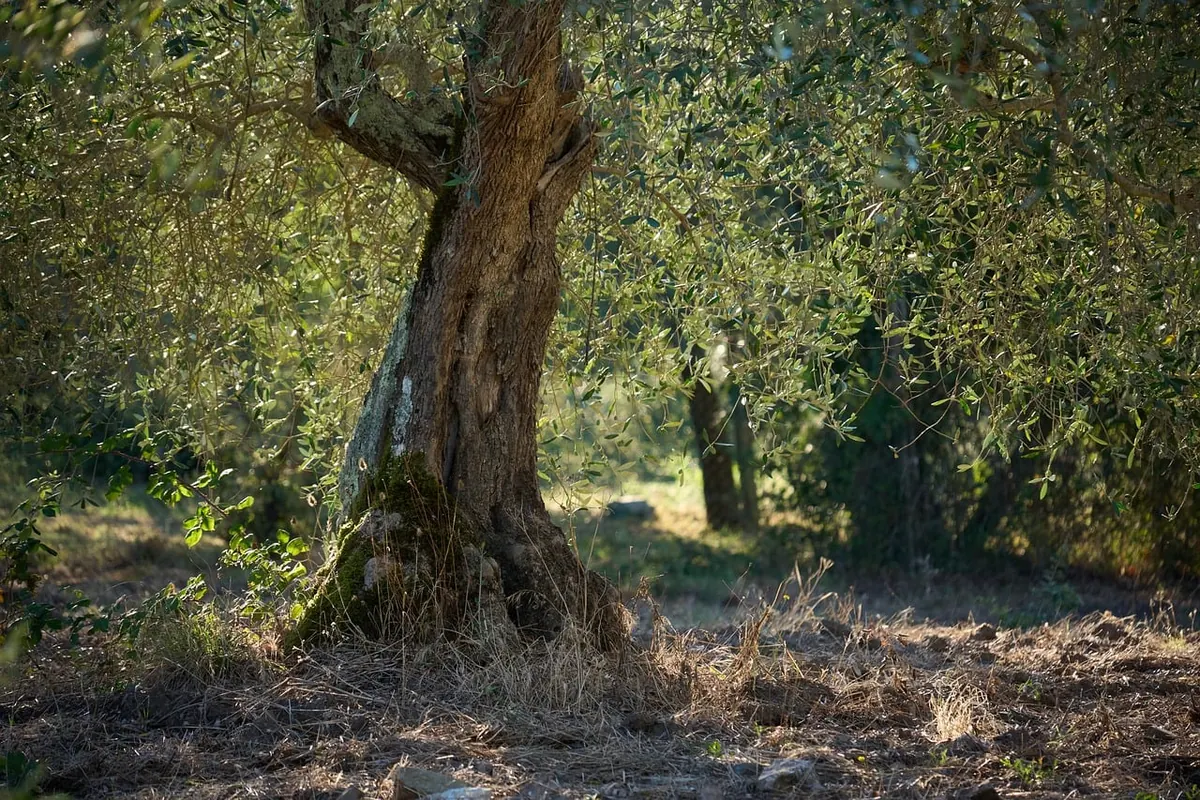
The goal is an open, goblet-shaped framework: a short trunk with three to five main limbs spreading outward and upward, and a middle you can see through. Think of it as a bowl rather than a ball.
Work from the inside out. Remove branches growing straight back into the centre, thin crowded clusters where several shoots emerge from the same point, and shorten anything stretching too far in one direction. When you shorten a branch, cut just above an outward-facing bud or shoot so the new growth heads away from the middle, angling the cut slightly so water runs off.
Make your cuts cleanly, just outside the swollen collar where the branch meets its parent. Do not cut flush against the trunk, and do not leave stubs — both invite rot. Sharp bypass secateurs for anything up to a finger's thickness, loppers above that, and a pruning saw for limbs you could not get your hand around.
If you cannot see daylight through the canopy in June, it is too dense. Thin it now rather than waiting for problems in November.
As a rule of thumb, never take off more than about a quarter to a third of the leafy canopy in one season. A hard prune into old wood on an olive is slow to recover and can set the tree back for years.
Young trees, mature trees and potted olives
Young trees
For the first three or four years, concentrate on building a framework rather than producing fruit. Choose your main limbs, remove anything competing with them, and keep the centre open. Pinch out the tips of long leaders in late spring to encourage branching. A young olive allowed to fruit heavily will put its energy into a few olives instead of a strong structure.
Established trees
Switch to renewal pruning. Each year, take out roughly a fifth of the oldest, least productive wood, cutting back to a younger shoot lower down. This keeps a supply of vigorous growth coming through without stripping the tree bare. Alternate sides where you can, so the tree stays balanced.
Potted olives
Container-grown olives are usually kept smaller, so prune lightly each late spring to keep the silhouette and remove any dieback. Root restriction slows growth, so do not overdo it — a light tidy is normally all that is needed. Repot every few years in spring and prune the top at the same time.
Pruning for fruit
Olives flower on wood produced the previous season. That single fact should govern how you prune an established tree. Cut away all of last year's growth and you have cut away your crop.
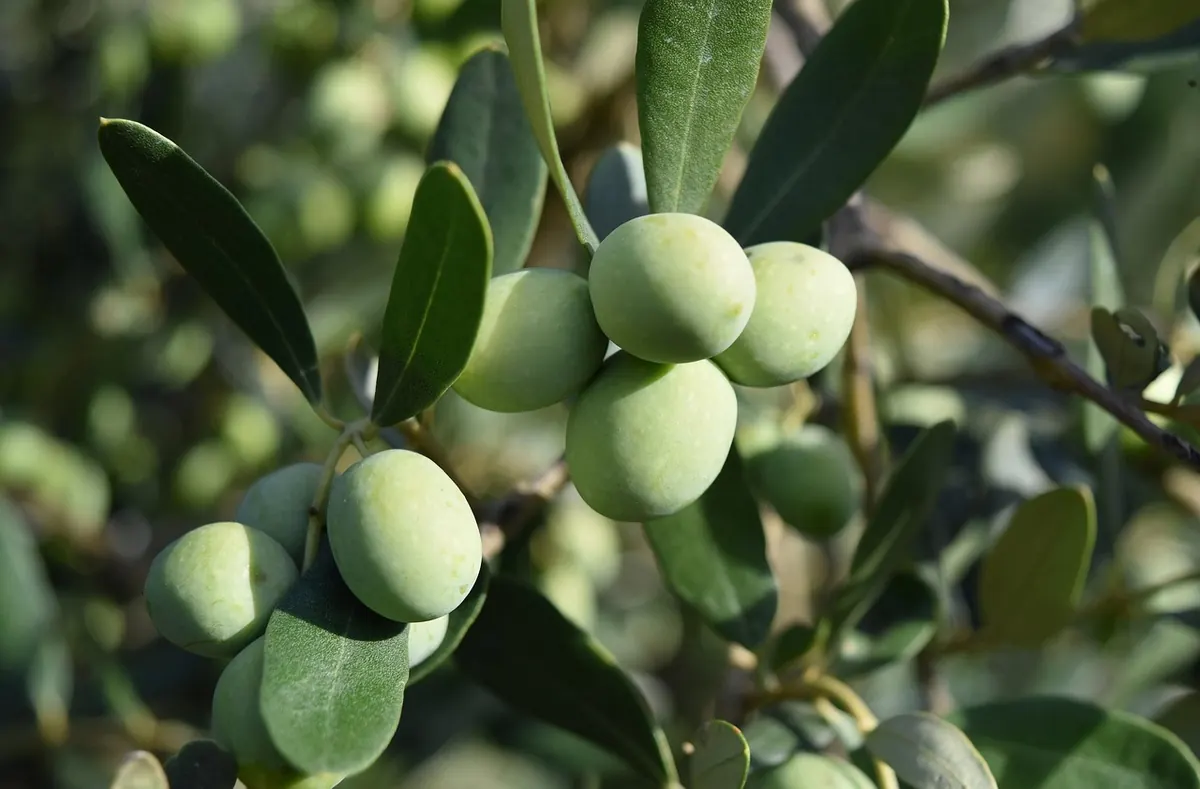
So favour thinning over shortening. Remove entire crowded branches rather than trimming the tips off everything, and leave a good spread of well-spaced one-year-old shoots across the tree. In Britain, fruiting is a bonus rather than a certainty — a cool, wet summer or a poor spring can put paid to it — but a tree that is open to the light and carrying plenty of young wood gives itself the best chance. If your tree flowers but never sets, look first at whether it is getting enough sun and shelter, not at the secateurs.
Aftercare and mistakes to avoid
Give a pruned olive a little water in dry spells and a mulch of well-rotted compost around — but not touching — the base. There is no need to paint the cuts; clean, well-placed wounds seal themselves. Bin or burn diseased prunings rather than adding them to the compost heap.
The mistakes that cause the most trouble are consistent. Pruning in autumn. Removing too much at once. Cutting into the old framework of a mature tree "to tidy it up". Leaving stubs that rot back into the trunk. And forgetting that a pot-grown olive depends on you for everything, including the water it needs to recover.
If you are dealing with a large, old tree close to a building, a boundary or overhead cables, it is worth calling in a qualified arborist rather than testing your balance on a ladder in June. For everything else, a sharp pair of secateurs, an hour in late spring and a willingness to be a little ruthless in the middle of the canopy will keep a British olive healthy for decades.
Photo: Rosa Stone / Pexels