Olive Tree Winter Care Checklist for UK Growers
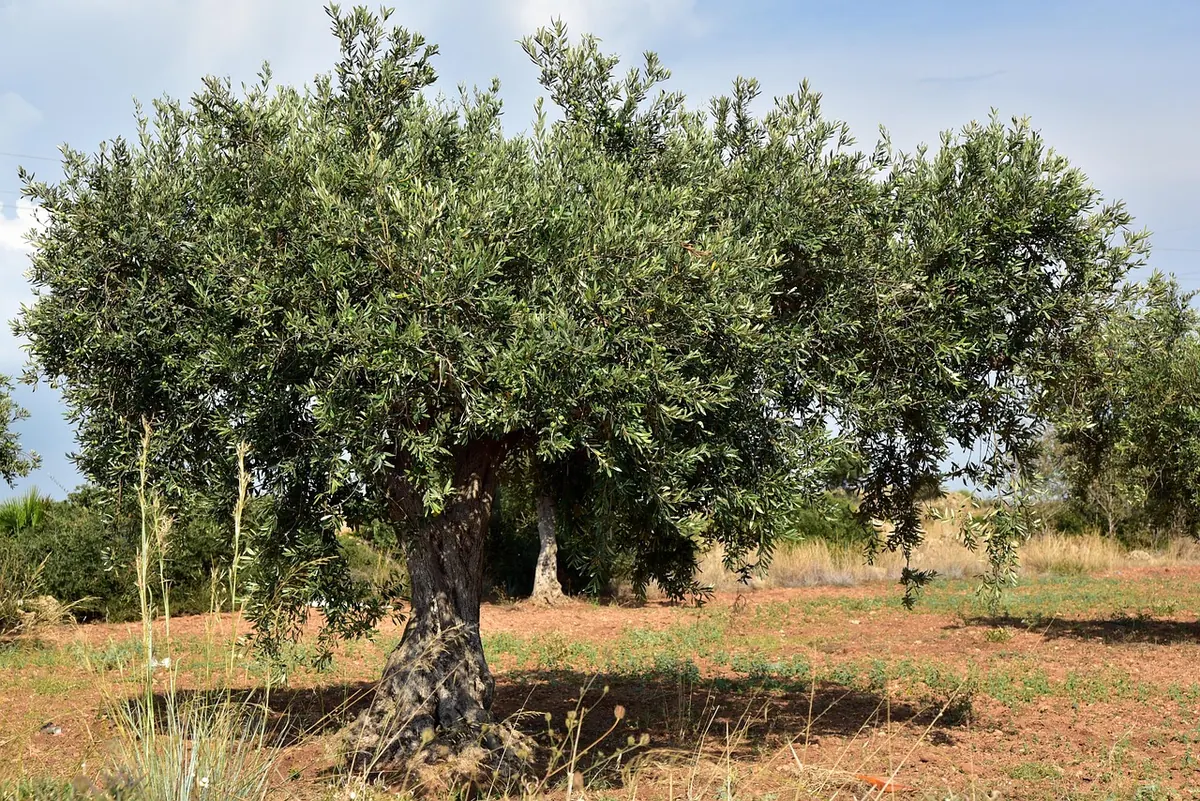
Olives are hardier than most British gardeners expect. A well-established tree in the ground will often shrug off a normal winter in the south of England, and plenty survive further north with a little help. But the losses rarely come from one freezing night. They come from weeks of wet roots, a pot that never drains, or a wind that strips moisture from the leaves while the ground is frozen solid. Get those three things under control and your tree goes into spring with something to work with.
What Actually Threatens an Olive in a British Winter
Our winters are mild, wet and windy rather than reliably cold, and that combination is harder on olives than a crisp alpine freeze. An olive's cold tolerance is usually quoted for dry conditions. Add saturated soil and the picture changes: roots sitting in cold, waterlogged ground rot quietly, and you won't see the result until the tree fails to grow in May.
Wet plus frost is the real enemy. Dry frost, a bit of wind and a well-drained root ball are far more survivable than a mild, drizzly fortnight that leaves the compost sodden and the roots chilled through.
Roots First: Drainage and Ground Protection
If your olive is planted in the ground, the first job is to make sure water isn't standing around it. Fork over compacted soil across the root zone so rain soaks away instead of pooling, and check that a downpipe, path or gutter isn't quietly emptying onto the bed. On heavy clay, a shallow layer of horticultural grit or gravel spread over the surface helps, and you can raise the soil level slightly around the trunk without burying it.
Mulch with a 5–8cm layer of bark chippings to keep the worst of the wet and cold off the surface, but leave a clear gap of around 10cm between the mulch and the trunk. Piling mulch against the bark traps moisture and invites rot at the base. Then leave the tree alone: no feeding from November to March. Nitrogen now pushes soft, sappy growth that the first hard frost will ruin. If you want to help the tree harden up, a potassium-led feed in late summer does more good than anything you can do in December.
Pots, Feet and Fleece
Container olives are the ones most likely to struggle, because a pot freezes from every side and the root ball gets far colder than soil in the ground. Three habits make a real difference.
- Raise the pot onto pot feet, bricks or timber so water can escape freely from the drainage holes. A pot sitting flat on a patio is a bucket.
- Empty the saucer. Standing water is worse than no water, especially on a frosty night.
- Group and move. Push pots together against a sheltered, sun-facing wall, out of the prevailing wind. Grouping them creates a pocket of slightly warmer air and cuts wind damage.
Insulate the pot rather than the whole tree: bubble wrap, hessian or an old blanket wrapped around and tied in place keeps the root ball several degrees happier. Leave the surface of the compost open to the air so water can still drain and the roots don't suffocate. Terracotta pots are the most vulnerable and often crack in a hard frost, so if a pot is already damaged, plan to repot into something frost-proof in spring.
Trunks, Branches and Foliage
Young olives and recently planted ones benefit from a wrap around the trunk, from ground level up to the first branches, using hessian or horticultural fleece. This protects the bark from splitting, which is the kind of damage that lets disease in and can kill a tree slowly over the following season. Avoid plastic sheeting and bin bags — they trap condensation and do more harm than good.
Fleece over the crown on frost nights is a sensible precaution, but take it off during the day. A tree muffled for weeks on end sits in damp, still air and often emerges with mould and blackened leaves. If it's simply cold and dry, most olives can manage without it.
When damage does happen, the signs are dull, then browning or blackening leaves, split bark and soft, mushy shoot tips. Don't reach for the secateurs in a panic. Wait until late spring or early summer, then scratch a little of the bark on the suspect branch with a fingernail. Green underneath means living wood; brown and dry means it's gone.
Wind and Snow: The Damage You Don't See Coming
Cold wind is the underrated one. Olives are evergreen, so their leaves keep losing water all winter. If the soil or compost is frozen, the roots can't replace it, and you end up with scorched, curled leaves by February. A permeable windbreak — hurdles, open slatted fencing, a netting screen on posts — filters the wind rather than blocking it head-on, which is better than a solid barrier that creates damaging turbulence on the sheltered side.
Snow is a simple matter of physics. Wet, heavy snow on an olive's evergreen branches can snap limbs that would otherwise be fine, so sweep it off gently with a soft broom from underneath rather than shaking the tree. Shaking is how branches break. After any gale, walk the garden and check stakes, ties and tree straps; a loosened stake rubbing a trunk can do as much harm as the wind itself.
A Practical Winter Checklist
- Check for standing water around in-ground trees after every long wet spell.
- Fork over compacted soil and clear any blocked drainage paths.
- Mulch with bark chippings, keeping a gap around the trunk.
- Lift pots onto feet and empty every saucer.
- Move pots to a sheltered, sunny wall and group them together.
- Wrap pots and trunks in breathable material, never plastic.
- Stop feeding from late autumn; water pots sparingly, only when the compost is dry and the weather is mild.
- Keep fleece and a few canes to hand for sharp frost forecasts.
- Sweep snow from branches rather than shaking it off.
- Leave all pruning until spring.
Bringing Them Through to Spring
The temptation in March is to unwrap everything and declare winter over. Don't. A tree that sailed through January can be caught out by a late cold snap in April or May, just as it starts pushing new growth. Keep the fleece nearby until the risk of hard frost has passed where you garden, and keep an eye on pots, which dry out faster as the light strengthens.
Prune in late April or May once you can see which shoots are growing and which are dead, cutting damaged wood back to healthy green wood. Start feeding again as growth begins, water more freely, and repot container trees in spring if the roots are circling the pot. Do the work once, at the right time, and next winter will feel much less like a gamble.
Photo: ulleo / Pixabay